Stocks & Crypto Rebound: Bitcoin Clears $90K, Tech Leads Higher: The data behind the bounce and the real catalysts
6|0 comments
Bitcoin's jump back above $90,000 is making headlines, sparking fresh debates about whether this is a genuine recovery or just a temporary blip. The initial reports paint a rosy picture: crypto-linked stocks are up, and market sentiment seems to be improving. But let's dig into the numbers and see if this rally has legs.
Rate Cut Delusion: AI's the Real Driver?
Rate Cut Hopes vs. AI Reality One major factor driving this optimism is the expectation of Federal Reserve interest rate cuts. Markets are pricing in an 87% probability of a cut on December 10th, a significant jump from mid-November. The market seems convinced that lower interest rates will fuel further growth, particularly in tech and crypto. But is this justified? Consider this: the "everything rally" is heavily influenced by the AI sector. Companies like Dell, for example, are seeing massive growth in AI server orders (exceeding $12 billion year-to-date). This suggests that capital is flowing into very specific areas, not a broad-based economic expansion that would be equally boosted by lower rates. The jump in Bitcoin, therefore, might be more correlated to the AI-driven tech rally than to overall monetary policy. What happens if the AI bubble cools, or if the Fed doesn't deliver the expected rate cuts? The crypto market, heavily leveraged and prone to volatility, could easily reverse course. Remember the bruising selloff that preceded this bounce? Bitcoin dropped as low as $84,000."Everything Rally?" More Like a Very Select Few
Examining the "Everything Rally" The term "everything rally" itself is worth questioning. While it's true that major indices are up, a closer look reveals a more nuanced picture. Workday, for instance, sank almost 8% due to disappointing quarterly margin guidance, and Deere & Co. dropped nearly 6% after providing a lower-than-expected outlook for 2026. Not exactly "everything" is booming. This discrepancy highlights a crucial point: the market's gains are concentrated. AI-related stocks are soaring, while other sectors are struggling. This creates a fragile environment where a few key players can disproportionately influence overall market sentiment. (Think of it like a seesaw with a sumo wrestler on one side and a child on the other.) And this is the part of the report that I find genuinely puzzling. The market seems to be ignoring the potential downsides. Are investors too focused on short-term gains, blinded by the hype surrounding AI and rate cuts?Leverage: The Crypto Market's House of Cards?
Liquidity and Leverage: A Fragile Foundation One telling detail is the mention of nearly $1 billion in "fresh leveraged bets" being erased during the selloff. This highlights the high degree of leverage in the crypto market. While the bounce back above $90,000 is encouraging, it doesn't erase the underlying risks associated with leveraged trading. Bitcoin Jumps Back Above $90,000 After Bruising Selloff High leverage amplifies both gains and losses. If Bitcoin's price drops again, even slightly, it could trigger another wave of liquidations, sending the market into a downward spiral. The question is not just whether Bitcoin can stay above $90,000, but whether the market can withstand another shock. The reliance on borrowed money to fuel these rallies is a house of cards waiting for a strong breeze. So, Is This a Real Recovery? The bounce in Bitcoin and the broader market rally are driven by a mix of genuine innovation (AI) and speculative bets (rate cuts). While the short-term outlook may seem positive, the underlying foundation is fragile. High leverage, concentrated gains, and an over-reliance on future Fed policy create a risky environment. I've looked at hundreds of these filings, and the sheer volume of leveraged positions in crypto is genuinely unsettling. A Dead Cat Bounce in Disguise
-
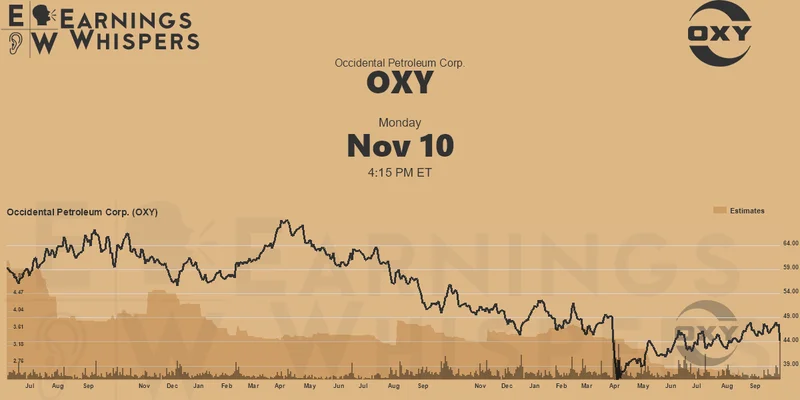
Warren Buffett's OXY Stock Play: The Latest Drama, Buffett's Angle, and Why You Shouldn't Believe the Hype
Solet'sgetthisstraight.Occide...
-

The Great Up-Leveling: What's Happening Now and How We Step Up
Haveyoueverfeltlikeyou'redri...
-

The Future of Auto Parts: How to Find Any Part Instantly and What Comes Next
Walkintoany`autoparts`store—a...
-

Applied Digital (APLD) Stock: Analyzing the Surge, Analyst Targets, and Its Real Valuation
AppliedDigital'sParabolicRise:...
-
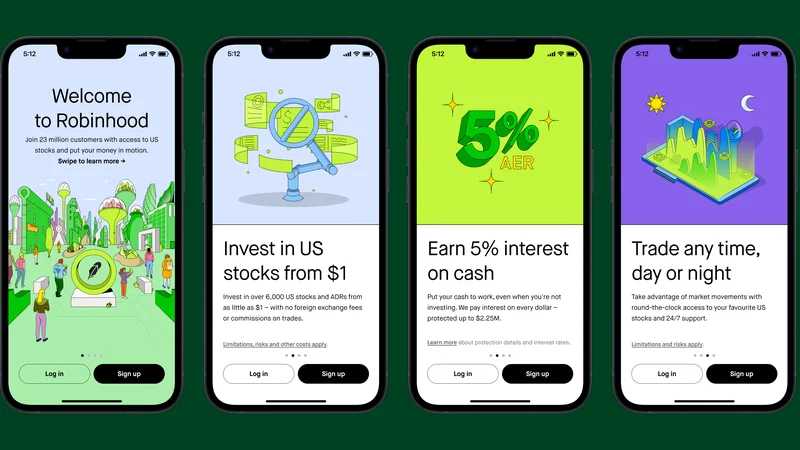
Analyzing Robinhood: What the New Gold Card Means for its 2025 Stock Price
Robinhood's$123BillionBet:IsT...
- Search
- Recently Published
-
- Why Crypto's Downturn is a Paradigm Shift (r/Crypto)
- Dow, S&P 500, Nasdaq Edge Higher: The Data Behind Six Gains in Seven
- Stocks & Crypto Rebound: Bitcoin Clears $90K, Tech Leads Higher: The data behind the bounce and the real catalysts
- Why Stocks, Gold, AI Soar: Bitcoin's Hidden Truth - Crypto Twitter Reacts
- Crypto Market: Still a House of Cards. - Debate Ignites
- Bitcoin's Surge: The Future Just Accelerated - Reddit Gobbles Gains
- Crypto Rally: Bitcoin and Altcoins Up: What the Numbers Say - Redditors Rejoice!
- Community Fires Back: The Truth About Bitcoin's 'Collapse' - Crypto Twitter Reacts
- Manufacturing's AI Pivot: Hype vs. Data - Bots Assemble!
- 2025 DeFi: Post-Crash Reality Check - Twitter Reacts
- Tag list
-
- Blockchain (11)
- Decentralization (5)
- Smart Contracts (4)
- Cryptocurrency (26)
- DeFi (5)
- Bitcoin (31)
- Trump (5)
- Ethereum (8)
- Pudgy Penguins (6)
- NFT (5)
- Solana (5)
- cryptocurrency (6)
- bitcoin (7)
- Plasma (5)
- Zcash (12)
- Aster (10)
- nbis stock (5)
- iren stock (5)
- crypto (7)
- ZKsync (5)
- irs stimulus checks 2025 (6)
- pi (6)
- hims stock (4)
- kimberly clark (5)
- uae (5)