Why Stocks, Gold, AI Soar: Bitcoin's Hidden Truth - Crypto Twitter Reacts
9|0 comments
Bitcoin's "Failure" or the Dawn of Decentralization?
The Great Crypto Rethink Okay, friends, let's talk Bitcoin. I know, I know, the headlines aren't exactly screaming "party time" right now. We're seeing dips, divergences from traditional markets, and enough analyst opinions to make your head spin. But before you start hitting the panic button, let’s take a breath, zoom out, and really *think* about what’s happening. I saw one headline that really stuck with me: "Bitcoin Isn't Following Stocks and Gold Price." And honestly? That’s not a bug; it's a feature! We've been so conditioned to see Bitcoin as just another asset, mirroring the movements of established markets. But what if its current "underperformance" is actually a sign of something far more profound—a decoupling, a breaking free from the old financial order? US Crypto News: Why Bitcoin Isn't Following Stocks and Gold Price Mike McGlone over at Bloomberg pointed out the Bitcoin-to-gold ratio, and how it's been declining. Now, some folks are taking that as a bad omen, a sign that Bitcoin is losing its luster as a store of value. But I see it differently. What if it’s not about Bitcoin *losing* value, but about gold *reasserting* its traditional role during a period of… well, let's just say "global fiscal uncertainty"? It's like when you're baking a cake: you need both the flour (gold, the established safe haven) and the leavening agent (Bitcoin, the disruptive upstart) to get the perfect rise. Jeff Dorman at Arca called this sell-off "one of the strangest crypto sell-offs ever," noting that the broader macro environment is actually pretty darn bullish. And he’s right! Equities are hitting all-time highs, the Fed is hinting at rate cuts, and AI is booming. So, why the crypto chill? Dorman hits the nail on the head: crypto-native investors are tapped out, and the big institutional players are still on the sidelines. Think of it like this: we're in the middle of building a massive bridge, and we've only got the local construction crew working on it right now. The real game-changer will be when the massive, global engineering firms show up with their heavy machinery. That brings me to my main point, my "Big Idea" if you will: We are on the cusp of a fundamental shift in how the world perceives and interacts with digital assets. The current dip? It’s not a sign of failure; it’s the necessary pause before the real explosion happens. It's the market catching its breath, recalibrating before the next massive wave of adoption.Silver Lining: Democratizing Assets, One Token at a Time
The Silver Lining (Literally!) And speaking of adoption, let's talk about silver! I saw an article talking about how tokenized silver is potentially emerging as a digital asset frontier. Silver hitting a 46-year high? Retail interest in silver surpassing Bitcoin in Google Trends? The Silver-to-Bitcoin Ratio breaking a decade-long downtrend? This isn’t just about shiny metals; it’s about the democratization of assets, the breaking down of barriers to entry, and the creation of a truly global, 24/7 marketplace. Tokenized commodities are shattering traditional ownership models, making physical assets accessible to anyone with an internet connection. I mean, imagine being able to own a fraction of a silver bar, trade it instantly, and use it as collateral in DeFi protocols. This is the kind of innovation that gets me genuinely excited—the kind that reminds me why I got into this field in the first place!Dalio's Wake-Up Call: Is Crypto the New "Hard Money"?
Crypto as a Viable Alternative Ray Dalio gets it. He sees the swelling government debt as a threat to the dollar's reserve status, fueling demand for crypto and gold as alternatives. He's not saying crypto will replace the dollar outright, but he *is* saying it has already established itself as a viable alternative, a "hard money" option in a world of ever-expanding fiat currencies. The implication is that investors seeking resilience will increasingly diversify into "hard currencies" such as gold and bitcoin as fiat systems lose value relative to scarcer assets.Power Comes With Responsibility: Building a Fair Financial Future
Responsibilities and Ethical Considerations Of course, we need to be mindful of the responsibilities that come with this power. As we build this new financial landscape, we need to ensure it’s fair, transparent, and accessible to all. We need to think about ethical sourcing, regulatory clarity, and the potential for unintended consequences. But I firmly believe that the potential benefits far outweigh the risks.Reddit's Right: Crypto's Not Dying, It's Evolving!
The Future of Finance I was browsing through Reddit the other day, and I saw so much optimism. People are genuinely excited about the possibilities—the chance to participate in a new financial system, to own a piece of the future. The speed of this is just staggering—it means the gap between today and tomorrow is closing faster than we can even comprehend. It’s like the invention of the printing press, but for finance: a revolution that will empower individuals, transform industries, and reshape the world as we know it. The Dawn of Decentralized Abundance So, what does this all mean? It means that the current crypto dip isn't a cause for alarm; it's a sign of maturation. It's a chance to step back, reassess, and prepare for the next wave of innovation. The future of finance is decentralized, accessible, and empowering. And I, for one, can't wait to see what happens next.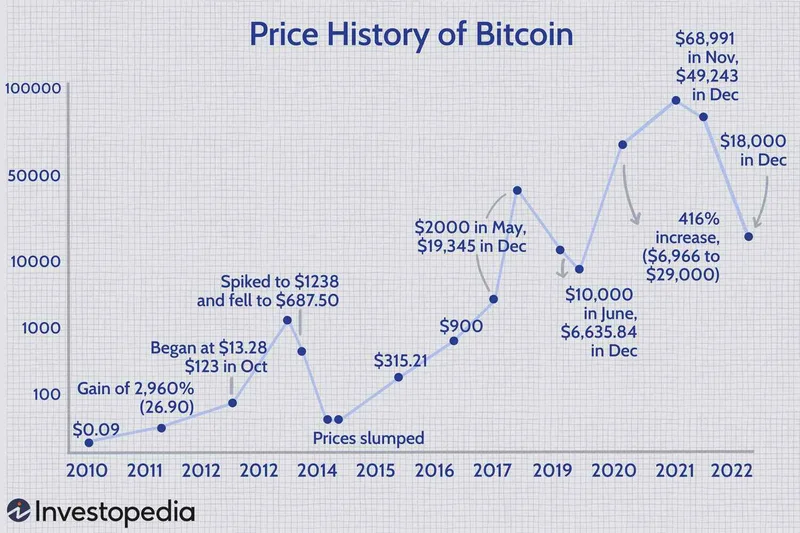

-
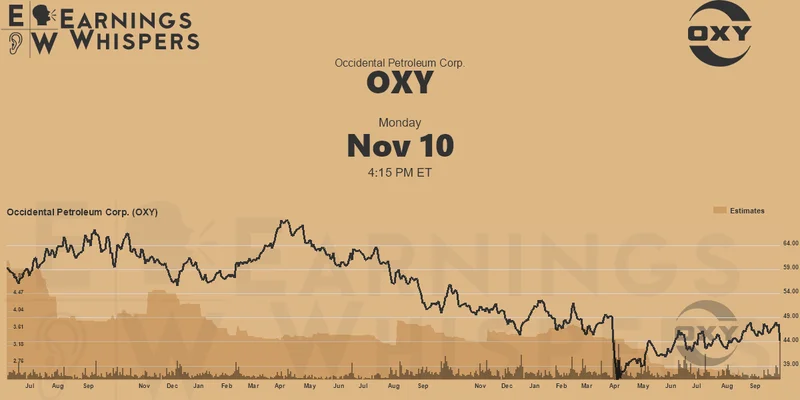
Warren Buffett's OXY Stock Play: The Latest Drama, Buffett's Angle, and Why You Shouldn't Believe the Hype
Solet'sgetthisstraight.Occide...
-

The Great Up-Leveling: What's Happening Now and How We Step Up
Haveyoueverfeltlikeyou'redri...
-

The Future of Auto Parts: How to Find Any Part Instantly and What Comes Next
Walkintoany`autoparts`store—a...
-

Applied Digital (APLD) Stock: Analyzing the Surge, Analyst Targets, and Its Real Valuation
AppliedDigital'sParabolicRise:...
-
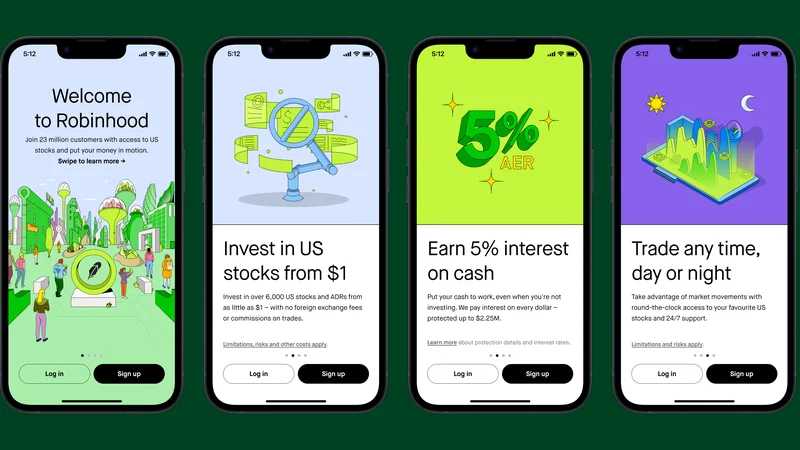
Analyzing Robinhood: What the New Gold Card Means for its 2025 Stock Price
Robinhood's$123BillionBet:IsT...
- Search
- Recently Published
-
- Why Crypto's Downturn is a Paradigm Shift (r/Crypto)
- Dow, S&P 500, Nasdaq Edge Higher: The Data Behind Six Gains in Seven
- Stocks & Crypto Rebound: Bitcoin Clears $90K, Tech Leads Higher: The data behind the bounce and the real catalysts
- Why Stocks, Gold, AI Soar: Bitcoin's Hidden Truth - Crypto Twitter Reacts
- Crypto Market: Still a House of Cards. - Debate Ignites
- Bitcoin's Surge: The Future Just Accelerated - Reddit Gobbles Gains
- Crypto Rally: Bitcoin and Altcoins Up: What the Numbers Say - Redditors Rejoice!
- Community Fires Back: The Truth About Bitcoin's 'Collapse' - Crypto Twitter Reacts
- Manufacturing's AI Pivot: Hype vs. Data - Bots Assemble!
- 2025 DeFi: Post-Crash Reality Check - Twitter Reacts
- Tag list
-
- Blockchain (11)
- Decentralization (5)
- Smart Contracts (4)
- Cryptocurrency (26)
- DeFi (5)
- Bitcoin (31)
- Trump (5)
- Ethereum (8)
- Pudgy Penguins (6)
- NFT (5)
- Solana (5)
- cryptocurrency (6)
- bitcoin (7)
- Plasma (5)
- Zcash (12)
- Aster (10)
- nbis stock (5)
- iren stock (5)
- crypto (7)
- ZKsync (5)
- irs stimulus checks 2025 (6)
- pi (6)
- hims stock (4)
- kimberly clark (5)
- uae (5)