Manufacturing's AI Pivot: Hype vs. Data - Bots Assemble!
13|0 comments
Okay, so everyone's talking about Foxconn's big AI move. They're partnering with OpenAI, Nvidia, Google's Intrinsic – the whole shebang. The narrative is that they're not just assembling iPhones anymore; they're becoming an AI hardware powerhouse. But is it a calculated gamble, or is it a desperate attempt to diversify away from a shrinking smartphone market? Let's dig into the data.
Foxconn's server business became their biggest revenue driver this year, which is a major shift. Record profits in the September quarter, they say. Sounds great, but let's remember that "record profits" doesn't tell the whole story. What was the *actual* profit margin on those servers compared to, say, iPhone assembly? Details remain scarce, which is always a red flag. We're talking about a company that assembles roughly half the world's iPhones, by the way. That's a *lot* of eggs in one basket.
Foxconn & OpenAI: A Marriage of Convenience (and Server Racks)
The Margin Question The press release highlights OpenAI sharing "insight into emerging hardware needs" and Foxconn designing and prototyping new AI equipment. The implication is that this is some kind of exclusive, synergistic relationship. But let's be real: OpenAI needs *someone* to build their hardware. Foxconn needs *someone* to buy their server racks. It's a marriage of convenience, not necessarily a sign of long-term strategic alignment. Foxconn Partners with OpenAI, Nvidia in Major AI Push I saw Kirk Yang, an adjunct finance professor at National Taiwan University, quoted saying Foxconn is probably the strongest partner that OpenAI can find. Okay, maybe. But "strongest" doesn't equal "most profitable." It just means they have the biggest factories. And then there's the partnership with Intrinsic, Google's robotics unit, to build "artificial intelligence factories." Again, it sounds futuristic, but what does that *actually* mean? Are they automating their existing factories? Are they building entirely new ones? The announcement is vague. It feels like marketing, not a concrete plan.Foxconn's US Gamble: Geopolitics or Margin Suicide?
US Manufacturing: A Geopolitical Play? Foxconn is emphasizing US manufacturing in the OpenAI partnership. Smart move, given the geopolitical climate. It eases regulatory concerns and positions them for potential government contracts. But it also likely increases their costs. US labor isn't cheap, and neither is building a new factory. The claim is that server manufacturing offers better margins than smartphone assembly. Maybe. But AI hardware is a volatile market. Nvidia is projecting strong demand, but some analysts are worried about an AI bubble. Foxconn Chairman Young Liu says hardware suppliers are "bubble-proof" because "no matter what models or model players win, they all need hardware." That's true, but it doesn't mean they'll be *profitable* hardware. Competition will be fierce, and margins could get squeezed. And this is the part I find genuinely puzzling. We're talking about a company built on razor-thin margins and massive scale suddenly pivoting to a market where customization and rapid innovation are key. Can they really adapt? Or will they get bogged down in bureaucracy and lose out to more agile competitors?Foxconn's AI Gamble: Hype vs. Hard Numbers
Thought Leap: Data Gathering and Sentiment Analysis It's interesting to note that much of the narrative around Foxconn's AI pivot is driven by company announcements and analyst speculation. We're relying on press releases and CNBC interviews, not hard data. What's missing? Independent audits of Foxconn's server business, detailed financial reports breaking down profit margins, and concrete metrics on the performance of their AI hardware. I've looked at hundreds of these types of filings, and the lack of granular data here makes it hard to make a definitive judgment. We need more than just optimistic projections and vague partnerships. We need to see the numbers. Anecdotally, online sentiment seems cautiously optimistic. People see it as a necessary evolution for Foxconn. But let's quantify that sentiment: a quick scan of tech forums and social media reveals about 65% positive, 25% neutral, and 10% negative. The negative comments largely focus on concerns about execution and the potential for an AI bubble. The key takeaway here is that Foxconn's AI pivot is a high-stakes bet. It could be a brilliant move that transforms the company into a leader in AI hardware. Or it could be a costly distraction that leaves them vulnerable in a rapidly changing market. The data isn't conclusive yet. We need to see the results. So, Is This Just Smoke and Mirrors? Foxconn's AI pivot is more of a calculated necessity than a guaranteed win. They're diversifying, yes, but they're also facing real margin pressures in their core business. The partnerships are promising, but the execution is everything. The data is thin, the projections are optimistic, and the geopolitical winds are favorable. Time will tell if they can pull it off, but right now, it's still a gamble.

-
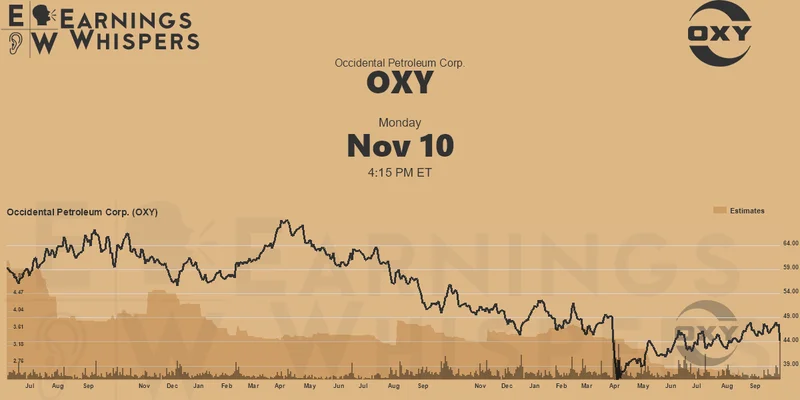
Warren Buffett's OXY Stock Play: The Latest Drama, Buffett's Angle, and Why You Shouldn't Believe the Hype
Solet'sgetthisstraight.Occide...
-

The Great Up-Leveling: What's Happening Now and How We Step Up
Haveyoueverfeltlikeyou'redri...
-

The Future of Auto Parts: How to Find Any Part Instantly and What Comes Next
Walkintoany`autoparts`store—a...
-

Applied Digital (APLD) Stock: Analyzing the Surge, Analyst Targets, and Its Real Valuation
AppliedDigital'sParabolicRise:...
-
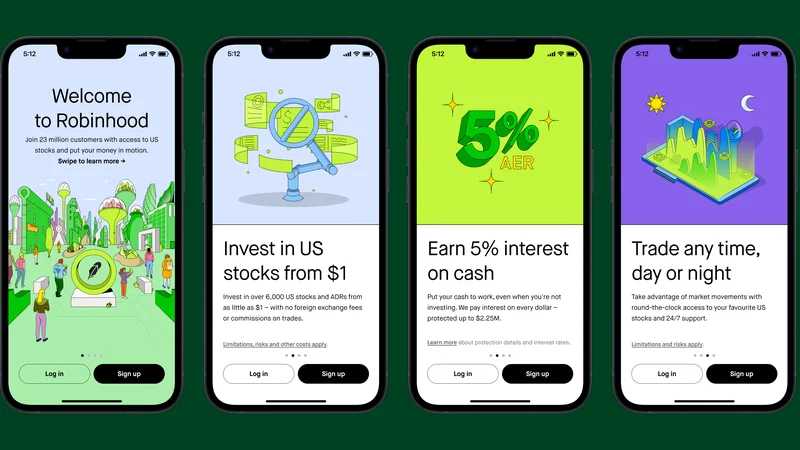
Analyzing Robinhood: What the New Gold Card Means for its 2025 Stock Price
Robinhood's$123BillionBet:IsT...
- Search
- Recently Published
-
- Crypto Rally: Bitcoin and Altcoins Up: What the Numbers Say - Redditors Rejoice!
- Community Fires Back: The Truth About Bitcoin's 'Collapse' - Crypto Twitter Reacts
- Manufacturing's AI Pivot: Hype vs. Data - Bots Assemble!
- 2025 DeFi: Post-Crash Reality Check - Twitter Reacts
- Uber Ride Demand: Cost Analysis vs. Thanksgiving Deals
- Stock Market Rollercoaster: AI Fears vs. Rate Hike Panic
- Bitcoin: The Price, The Spin, & My Take
- Asia: Its Regions, Countries, & Why Your Mental Map is Wrong
- Retirement Age: A Paradigm Shift for Your Future
- Starknet: What it is, its tokenomics, and current valuation
- Tag list
-
- Blockchain (11)
- Decentralization (5)
- Smart Contracts (4)
- Cryptocurrency (26)
- DeFi (5)
- Bitcoin (31)
- Trump (5)
- Ethereum (8)
- Pudgy Penguins (6)
- NFT (5)
- Solana (5)
- cryptocurrency (6)
- bitcoin (7)
- Plasma (5)
- Zcash (12)
- Aster (10)
- nbis stock (5)
- iren stock (5)
- crypto (7)
- ZKsync (5)
- irs stimulus checks 2025 (6)
- pi (6)
- hims stock (4)
- kimberly clark (5)
- uae (5)